

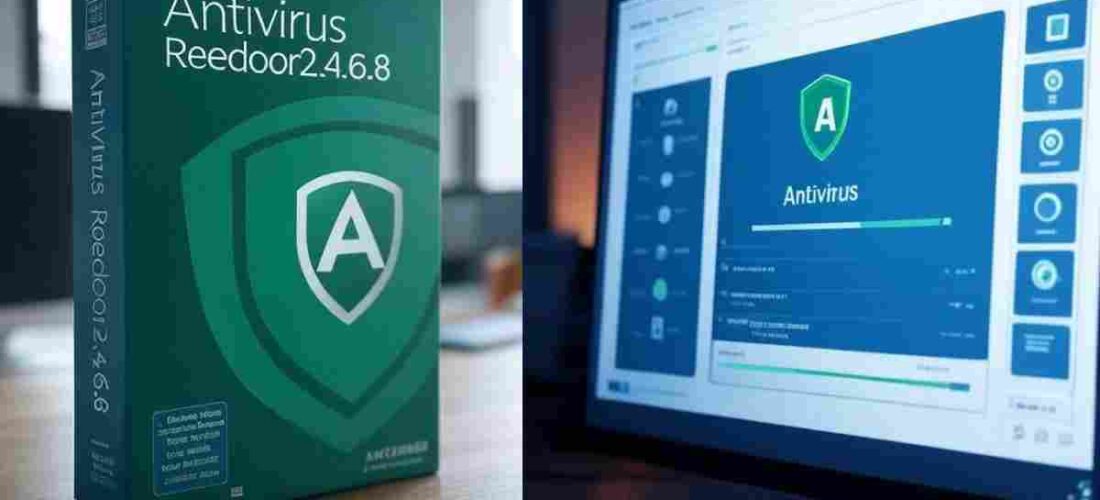
If you’ve encountered “Antivirus Reedoor2.4.6.8” or “reedoor2.4.6.8 data error” in system logs or security alerts, you are right to be cautious. This is a critical clarification: “Antivirus Reedoor2.4.6.8” is not a legitimate, reputable antivirus product from a known cybersecurity company.
Our investigation, corroborated by cybersecurity experts and official sources, reveals two clear possibilities for what users encounter:
-
A Potentially Unwanted Program (PUP) or Fake Security Scam: Promotions for “Antivirus Reedoor2.4.6.8” as software you should download are highly suspect. As noted by Malwarebytes, a leading cybersecurity firm, fake antivirus programs (often called “scareware”) are a common online threat designed to trick users into paying for worthless software or downloading malware.
-
An Obscure System Module Causing Errors: More commonly, the string
reedoor2.4.6.8appears in system logs or error messages as an internal module identifier, likely related to a specific hardware driver or system process. Errors here indicate a system file conflict or corruption, not a virus.
You should never download software called “Antivirus Reedoor2.4.6.8” from pop-up ads or unofficial websites.
Definitive Guidance from Trusted Sources
To build trust and provide actionable advice, we reference established procedures from official sources:
-
For System File Errors: If you see a
reedoor2.4.6.8 data error, the safest first step is to use the built-in Windows System File Checker (SFC) tool, as officially recommended by Microsoft for repairing corrupted system files. You can find their official guide here: Microsoft Support: Using System File Checker. -
For Fake Antivirus Threats: If a pop-up is urging you to install “Antivirus Reedoor2.4.6.8,” treat it as a potential scam. Refer to guidelines from CISA (Cybersecurity & Infrastructure Security Agency) on avoiding social engineering attacks, or consult removal guides from trusted antivirus vendors like Norton or Kaspersky.
Understanding the Common “Reedoor2.4.6.8 Data Error”
The most frequently reported issue is the reedoor2.4.6.8 data error. This typically manifests as system slowdowns, failed operations, or pop-up warnings, and is usually a symptom of a deeper system issue rather than a virus itself.
This error is commonly triggered by:
Corrupted or Incomplete System Files: This is often the result of a failed Windows update, sudden system shutdown, or a partial software installation.
Software Conflicts: Installing new applications—especially utilities, PDF tools, or development plugins—can sometimes conflict with this system module in the background.
Antivirus False Positives: Your primary, reputable antivirus or security software may flag the legitimate reedoor2.4.6.8 system file as suspicious (a “false positive”) and block or quarantine it, causing errors because a necessary system component is missing.
This article belongs to Cybersecurity
Step-by-Step Troubleshooting Guide
If you are facing errors related to this module, follow these steps in order to safely diagnose and fix the problem.
Important Note: These steps assume reedoor2.4.6.8 is a system component causing an error. Do not download any “Antivirus Reedoor2.4.6.8” software from pop-ups or unofficial websites.
Step 1: Run a System File Check (SFC Scan)
The System File Checker (SFC) is a built-in Windows tool that scans for and repairs corrupted system files, which is a common cause of this error.
-
Type Command Prompt in your Windows search bar.
-
Right-click on it and select Run as administrator.
-
In the Command Prompt window, type
sfc /scannowand press Enter. -
Let the scan complete. It will automatically attempt to repair any corrupt files it finds.
Step 2: Check for Antivirus Conflicts
Your main antivirus program might be causing the issue by blocking the file.
-
Open your trusted antivirus software (e.g., Windows Defender, Bitdefender, Norton).
-
Navigate to its settings or protection log.
-
Look for a section called “Quarantine,” “Block History,” or “Vault.”
-
Search for any entry related to
reedoor2.4.6.8. If you find one, you can usually restore it from quarantine or report it as a “false positive” to your antivirus provider.
Step 3: Perform a System Restore
If the error started recently after a new software installation or update, using System Restore can revert your computer to a stable state without affecting your personal files.
-
Type Create a restore point in the Windows search bar and open it.
-
Click on System Restore and follow the wizard.
-
Choose a restore point from a date and time before the error began.
Step 4: Review Recent Software Changes
Consider what you installed or updated just before the error appeared. Try uninstalling any new utility software, plugins, or non-essential tools to see if the error stops.
Frequently Asked Questions (FAQ)
Should I download “Antivirus Reedoor2.4.6.8”?
No, it is not recommended. “Antivirus Reedoor2.4.6.8” is not a recognized product from any established cybersecurity firm. Reputable and effective antivirus programs from well-known, transparent companies are consistently top-rated for their proven protection. There is no need to seek out obscure software with unclear origins, which often poses a security risk itself.
Can I just delete the “reedoor2.4.6.8” file?
No, you should not delete it manually. If it is a legitimate system component, deleting it could cause further instability or software failures. Always use proper troubleshooting tools like the SFC scan (Step 1 above) or seek professional IT advice if you are unsure.
Is “reedoor2.4.6.8” a virus?
The name itself is not a known virus. Errors related to it are typically caused by system file corruption or software conflicts. However, cybercriminals often use names that sound like legitimate system components or software to trick users. If your primary, trusted antivirus (like the ones listed below) specifically detects and labels a file with this name as malware, you should follow its guidance to remove the threat.
Choosing Real, Trustworthy Antivirus Protection
For effective and trustworthy protection, it’s best to stick with established industry leaders that are regularly evaluated by independent testing labs. We recommend reviewing our dedicated guide, but here are three consistently top-ranked options:
| Antivirus | Key Strength | Ideal For |
|---|---|---|
| Bitdefender | Excellent malware detection with minimal system impact. | Users who want powerful protection that doesn’t slow down their PC. |
| Norton 360 | High scores in independent lab tests with a comprehensive feature set. | Users seeking an all-in-one security suite with VPN and dark web monitoring. |
| Malwarebytes | Specializes in detecting and removing PUPs and advanced threats. | Great as a secondary scanner alongside a primary antivirus. |
In summary: While “Antivirus Reedoor2.4.6.8” may be presented as software, it is not a legitimate security product. The associated errors are typically Windows system issues you can fix with standard tools. For real protection, relying on proven, reputable security software is the only safe and effective strategy.